
- How do we do comms when there’s no money?
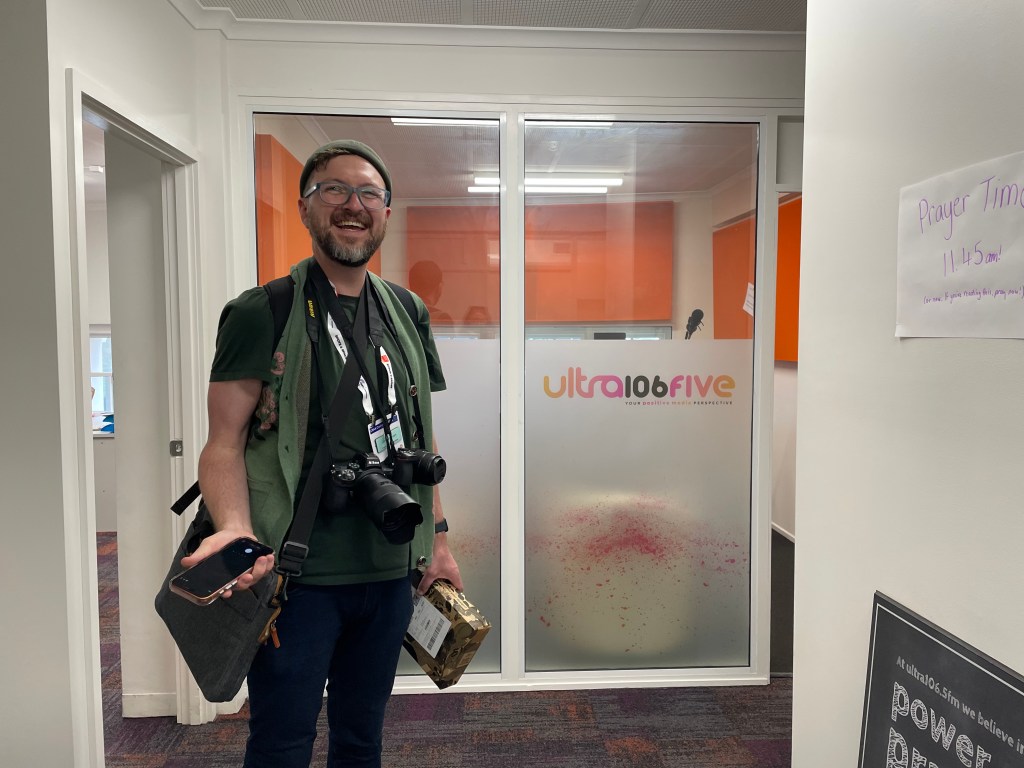
I’ve had a lovely couple of months travelling around Australia working at conferences, running workshops and hunting around for great stories.
At one of these conferences (The Community Broadcasting Association of Australia conference in Hobart) I was asked to speak on a panel about how non-profits can stand out when they don’t necessarily have big $ behind them.
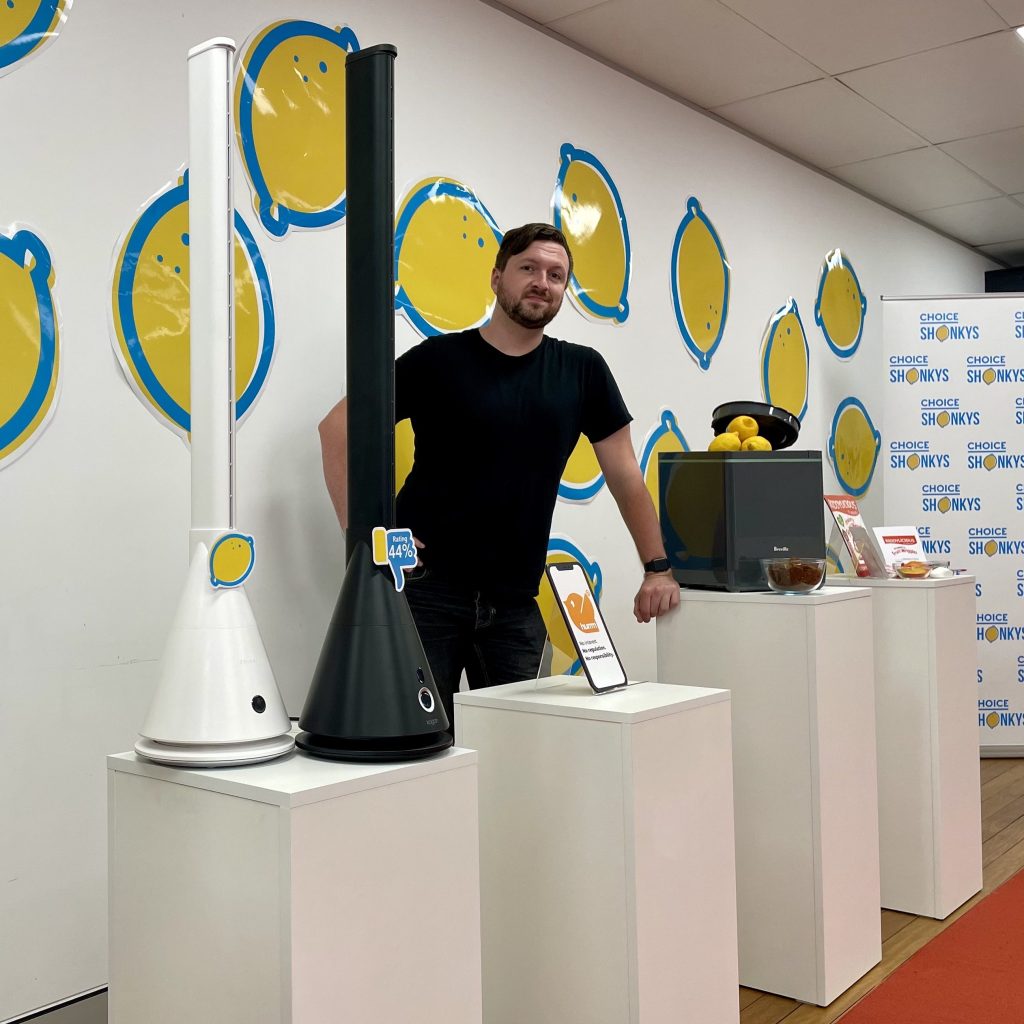
It’s fitting that the CHOICE Shonkys (a yearly awards ceremony for Australia’s shonkiest products and services) are out this week – as they were one of my biggest professional challenges for making more with less.
Prior to me joining the team at CHOICE, the Shonkys were a major public event with a full stage production and a decade of history behind them, but as I joined I was tasked with bringing the event back to basics on a smaller budget, while still keeping its impact.
To do this – we focused on our major event stakeholder – Australian media. They were our key partners in ensuring The Shonkys achieved change for Australians in consumer markets.
The questions my team and I had to ask ourselves were:
- What do media need from us to make compelling stories?
- How can we do this efficiently and effectively for us and them?
- What should we spend on that gets us the most value for our money?
Here’s a few of the key things that helped us run The Shonkys on a smaller budget, while still making an impact:
Prioritising visuals
Media stories are inherently visual.
Previously by running the Shonkys as a live event, we limited media to the visuals that were available at that event.
Instead, we focused on giving media extra time in our labs, with case studies and with the “shonky” products so they could produce visuals unique to their audiences.
Our limited budget went towards locations, props and materials that offered journalists a range of options to explore.
The key was in providing a diversity of visuals.
We pre-recorded stock footage for each Shonky award (all filmed on iPhones!), but also gave our media colleagues a diversity of options on-site and extra time to hunt for their own unique visuals or angle on each story.
Set realistic timeframes
When your budget is limited, you need to give you and your colleagues time.
Across the CHOICE team, we collected stories all year around that might make for a good Shonky and were always thinking ahead.
Preparations for the Shonkys start 6 months (or more) before the intended launch day.
As the saying goes – you can have 2 of the 3:
- Cheap
- Fast
- Quality
When you don’t have the $, extend the lead times.
Have fun and get everyone to pitch in
It’s too easy for comms and media teams to want to control everything. We’re inherently risk-managers at heart – but in a low resource environment you need to let go of some things!
For the Shonkys – we got everyone to pitch in. It was a whole of organisation effort.
When the pet insurance industry received a Shonky, staff brought their dogs in for the day:
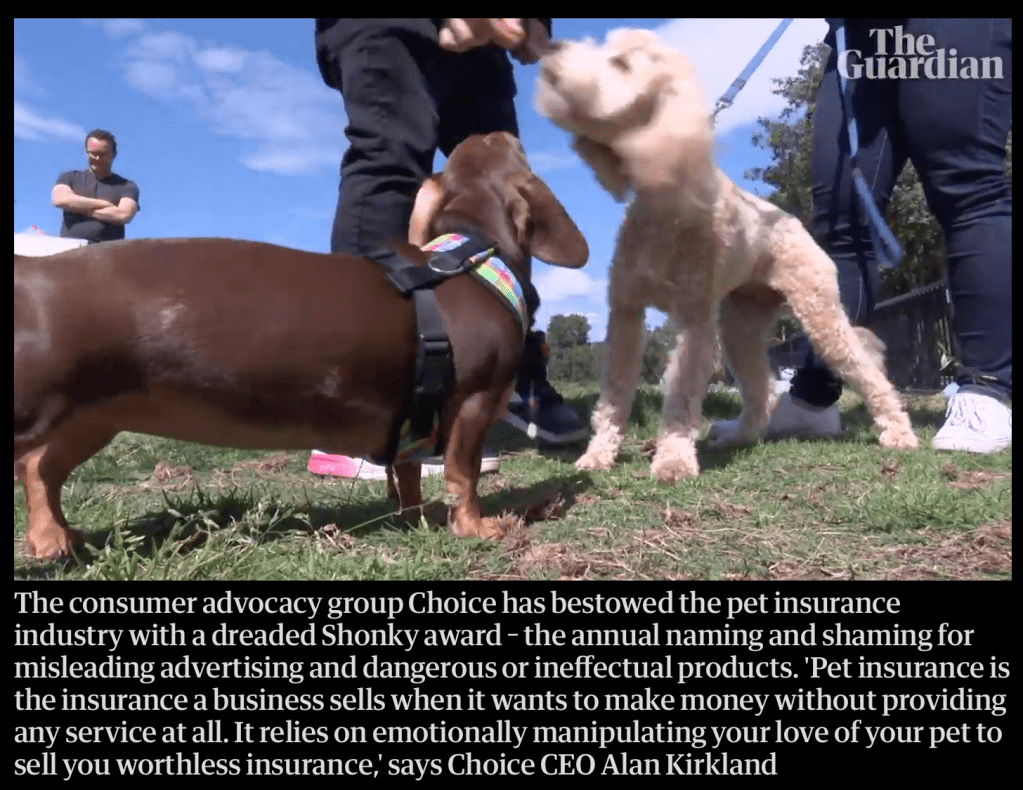
Staff across the organisation helped us dress sets and make spaces “media ready”, friends and family came to share their experiences of the dodgy products and services – the CHOICE Shonkys were a true “all in” moment.
Your colleagues all have skills to offer – bring them in on the fun!
The payoff
In the end, re-focusing on our key stakeholder (media partners) and doing whatever we could to help them produce great stories (while making our major event more affordable) led to one of our most successful events in years.
We secured broad nationwide media coverage, won a number of our important advocacy campaigns and received strong community support from new and returning CHOICE members – smashing our targets on all metrics.
Congratulations to the CHOICE team this year for celebrating 20 years of the Shonkys in style – and particularly Katelyn Cameron for her great work behind the scenes. I’m proud to have played a part in that history.
-JB
Hi, I’m JB – I’ve been working as a broadcaster, content maker and comms advisor for nearly 20 years. Aus Comms Guide is my newsletter to share comms tips for good people and good causes. Sign up on email at auscommsguide.com
Interesting stuff!
A huge congratulations to Tany Brahmanand for her work on the exhibition ‘Do No Harm’ that was presented at the No Vacancy Gallery in Melbourne this month.
I was lucky to meet Tany through the Wattle Fellowship and work with Ascent Media to share her story. Wonderful to see someone find ways to merge their many loves together – medicine, sustainability, art, family and culture – all while progressing social change.

And while I’m talking about art – I’m in Adelaide this week and got to see my niece Alice’s art show at Flinders University:
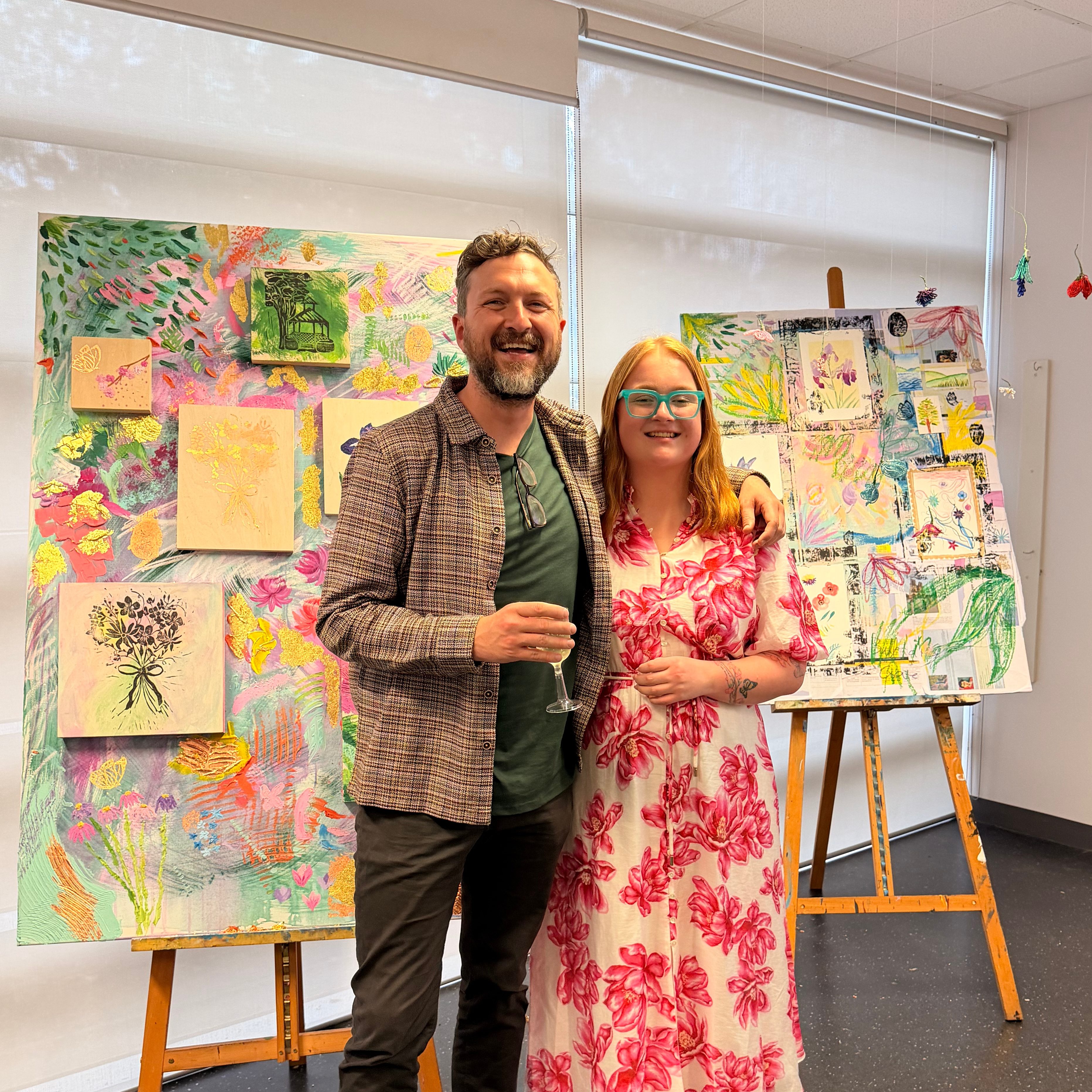
Similar to Tany, Alice weaves together her many passions and is on her way to becoming an amazing educator who uses the arts to inspire her students. Her art shares her experiences with neurodivergence, the joy of experimenting with form and enjoying the process. Something we can all learn from.
Incredibly proud of you Al!
- Can we rely on Big Tech in comms?
A few years back I discovered an amazing tool launched by Dropbox – Dropbox Showcase.
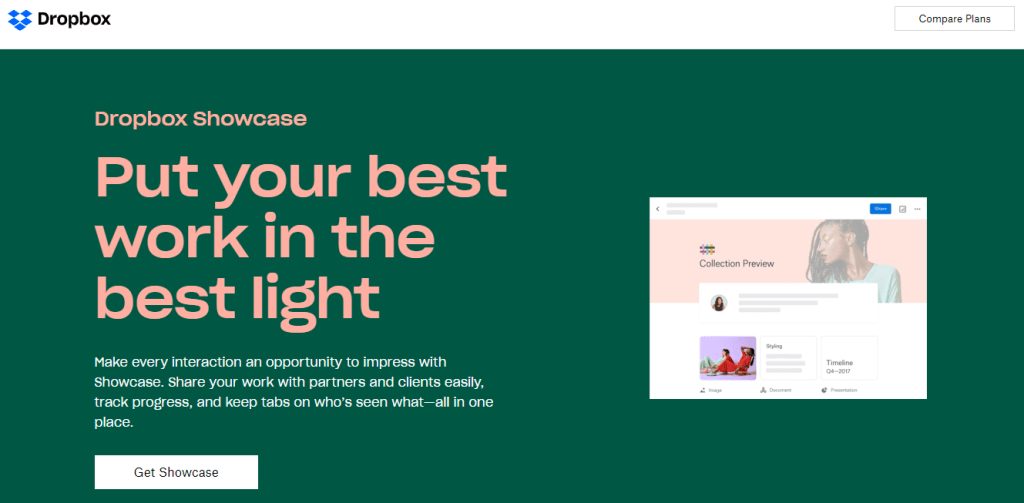
I was working in a very busy Media/PR job at the time and the tool was perfect for what we needed. We could quickly and easily upload videos, photos and content for our media colleagues to use in an attractive and accessible format.
It became an invaluable part of the daily workflow for my team.
Then one day…

Yep.
They just decided to close the product. In a few months they’d delete the lot. No backup, no alternative. Just gone.
Google is particularly famous for doing this – launching a beloved product, relied on by people all around the world and then out-of-the-blue and with a big *shrug* towards their customers they decide to shut it down.
RIP Dropbox Showcase. I hardly knew ye.
Is an AI bubble coming?
This has been on my mind lately in the context of AI – is it really safe to incorporate these tools into essential parts of our workflow as comms professionals?
It appears I’m not the only skeptic.
I stumbled across this email/post from Cory Doctorow and was particularly struck by this quote:
AI cannot do your job, but an AI salesman can 100% convince your boss to fire you and replace you with an AI that can’t do your job, and when the bubble bursts, the money-hemorrhaging “foundation models” will be shut off and we’ll lose the AI that can’t do your job, and you will be long gone, retrained or retired or “discouraged” and out of the labor market, and no one will do your job. AI is the asbestos we are shoveling into the walls of our society and our descendants will be digging it out for generations.
I posted a screenshot of this quote on Bluesky and well…let’s just say it got quite the reaction:

The longer piece (which I highly recommend reading) explores the likelihood of a big crash coming for the AI sector.
These companies aren’t making profit – and they’re not projected to for a long time. The hype is not materialising into profit.
What happens when they crash? What happens to the pricing of the companies and the tools that are left behind?
Will the tool I rely on today double in price next month? Will it exist next year?
How do we prepare for the crash?
Flexibility is the key.
Big Tech wants to make us reliant for the bait-and-switch that’s coming. (Remember when Facebook was actually useful?)
Keep trying new tools. Keep practising your old skills. Experiment and play with new skills.
Your core skills as a communicator are still and will continue to be relevant in the future.
I’m also looking at tools I can keep some level of control over into the future – machine learning tools that run locally on my devices (and don’t rely on the cloud or subscriptions) or direct methods for reaching my audiences.
Don’t let Big Tech make you feel redundant – your core skills, curiosity and creativity will be more important than ever when the crash comes.
-JB
Hi, I’m JB – I’ve been working as a broadcaster, content maker and comms advisor for nearly 20 years. Aus Comms Guide is my newsletter to share comms tips for good people and good causes. Sign up on email at auscommsguide.com
Interesting stuff!
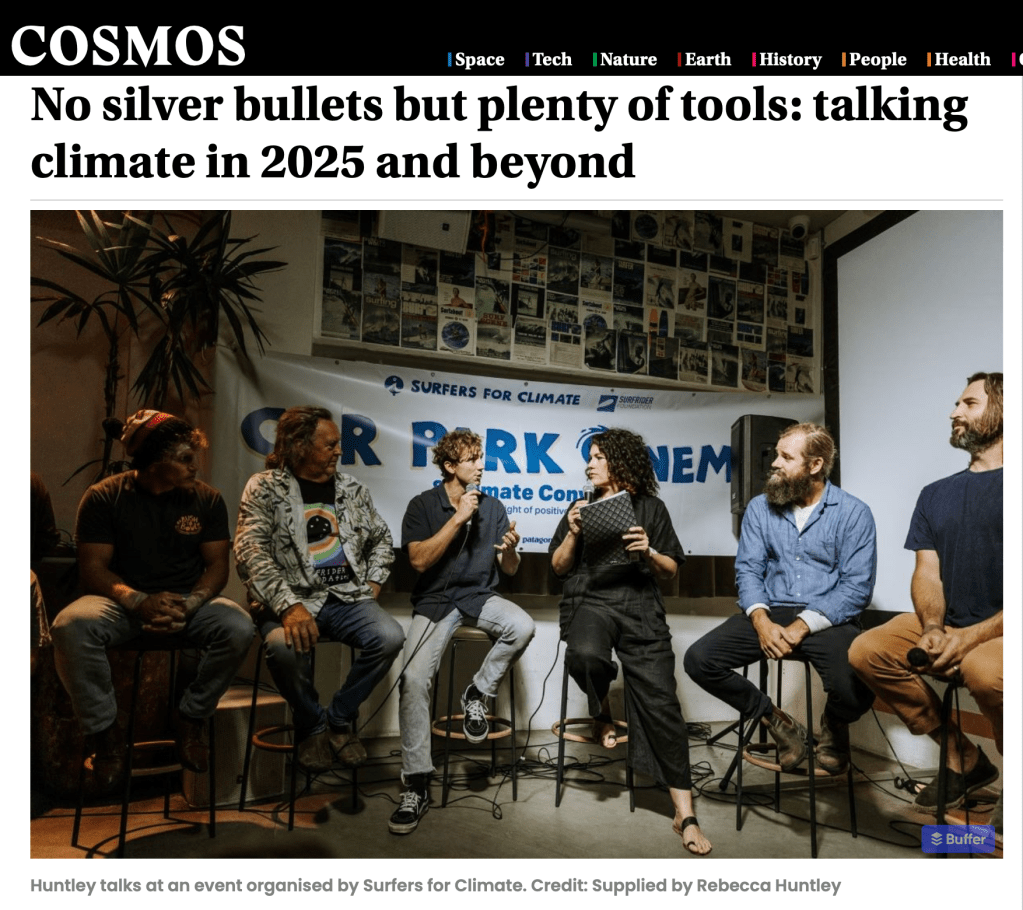
Have we failed at explaining climate change?
The wonderful Lee Constable has written this great piece for Cosmos Magazine speaking to climate science communicators re: how we need to talk about the climate in 2025 and beyond.
- Saving my bum when the tech goes wrong
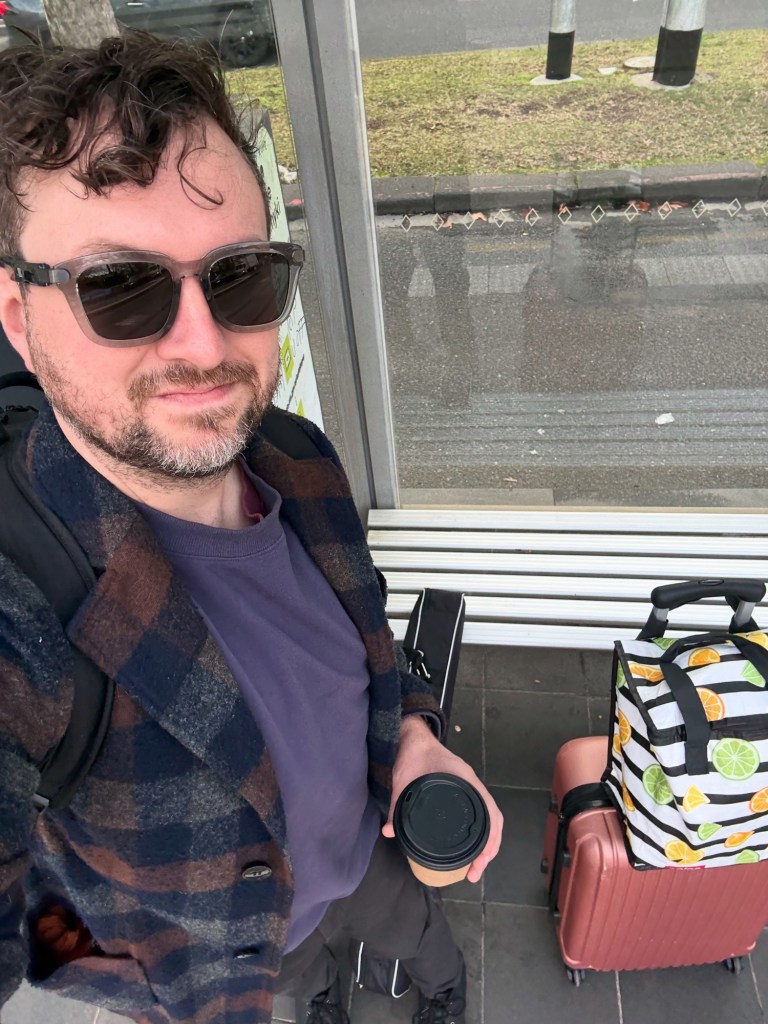
Me, catching the tram with a week’s worth of clothes, a promo banner, 6 cameras/phones, a laptop and an iPad…but nothing was stopping me from getting my morning coffee too… Every comms person has experienced the dread of losing an important file at the worst time – bad sound, a corrupt memory card, a broken cable or unexpected device damage in the field.
As a small business owner and non-profit comms consultant I don’t have the budget for the most expensive, most complicated set-up. I need to be able to fit it all in my carry on luggage, but be confident I’ll have decent quality content to edit when I get back home.
Here’s how I (affordably) save my bum when the tech goes wrong.
Audio
Getting good sound is one of the most important things you can do as a content maker and comms professional.
In fact a 2018 study found that the quality of your audio can be one of the most important factors in gaining or losing your audience’s trust.
But it’s also one of the hardest to get right – especially if you’re a solo producer or in a chaotic live environment.
That’s why one of the most important parts of my kit these days is microphones with on-board recording.
What’s on-board recording?
It’s a fancy way of saying that the microphone keeps a backup recording of your audio for you.
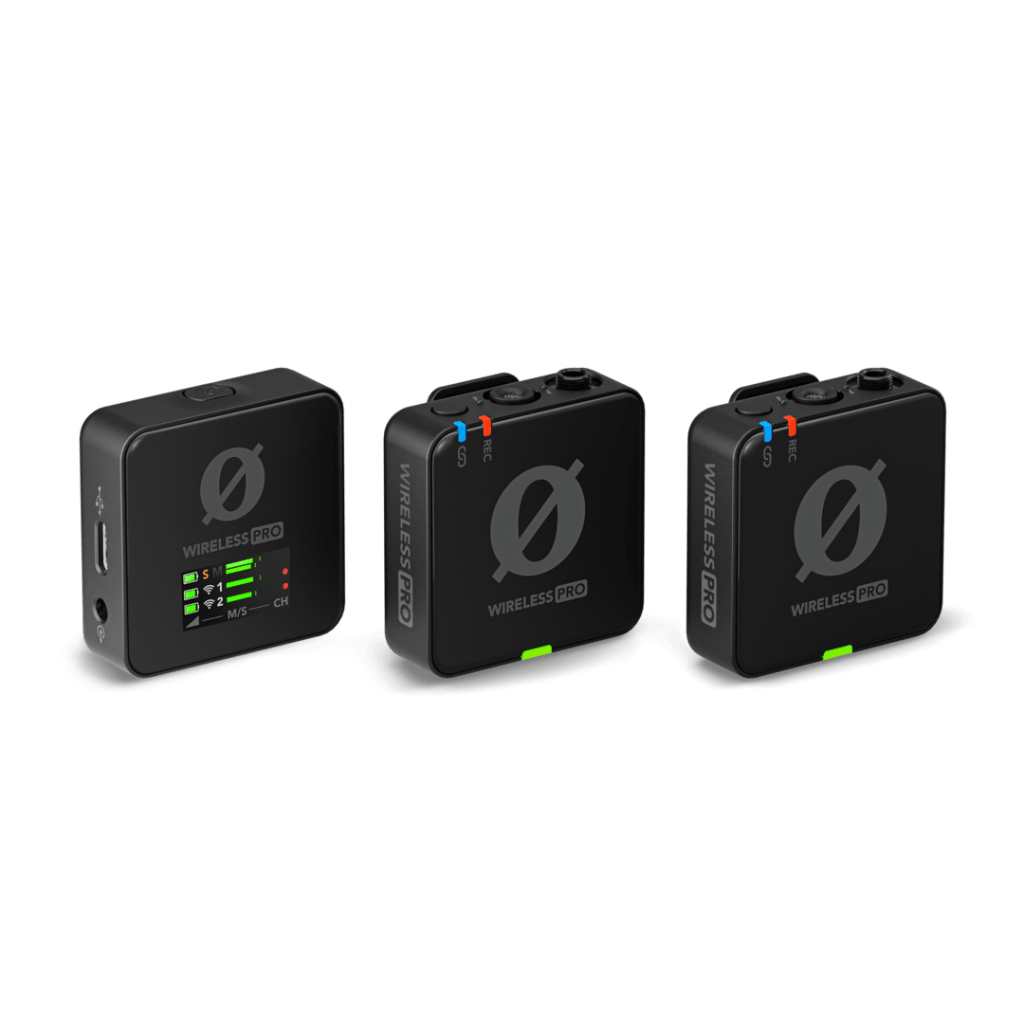
RODE’s Wireless PRO microphones* (not sponsored, no relationship, just a fan) have been a revelation for me as an audio producer for nearly 20 years.
These microphones can start recording the moment you take them out of their case. They then keep the recording in their own storage as well as transmitting to your camera or computer.
So, if something goes wrong with the camera or computer – you’ll always have the backup file sitting there waiting for you.
This has already saved my bum more times than I can count – if you invest in anything, I recommend some microphones with on-board recording.
*The RODE Wireless Go 3 microphones also have these features and are a bit cheaper if you’re looking to minimise costs.
Video
My portable video recording pack uses an iPad Pro, my personal iPhone Pro 16 Max and 2 refurbished iPhone 13 Minis* I picked up on sale.
Paired with the RODE Wireless PRO, this set-up gives me multiple redundancies for when things go wrong – and they all fit in a backpack I can easily take with me on a plane, train or rushing across a city.
Aim for a minimum of 2 audio sources and 2 video sources
Whenever I film a case study or interview, I aim to have at least 2 audio sources and 2 video sources. That way I can focus on being present as an interviewer and feel confident that if something goes wrong with the tech I will most likely be able to salvage something.
If one camera goes down – you have the second camera as your backup. If your microphone goes down, you have 2 cameras providing alternative audio, etc, etc.
With 2 refurbished iPhone 13 Minis and a RODE Wireless Go 3 set you can get a broadcast quality kit (I’ve had footage used by all major Australian broadcast networks from similar set-ups) for capturing case studies and interviews on the go. For around $1000(AU) you can have a portable, reliable kit with multiple redundancies built in.
The added bonus of a kit like this is that it’s very easy to teach to colleagues – if a non-comms or non-techy person needs to go and film something for you, the redundancies in this set-up can make sure they come back with something useful.
*I use iPhones because I’m a fan of Apple’s Multicam recording feature on the iPad – but the specific brand doesn’t matter. A decent range of phones produced in the last 3-5 years can film broadcast quality footage and be cheaply bought second-hand or refurbished.
Photos

Good photography matters more than ever in comms – in a sea of slop, audiences are starting to crave more authenticity and one of the best ways to achieve this is real photography of real people.
Thankfully this can also be done affordably too.
Will a phone photo do the job?
Phone cameras can do the job. Even with an older refurbished phone like the ones mentioned above, you can hand it to a colleague and if they take enough photos, you’ll probably get something useable.
Something is better than nothing!
If you want to elevate your photography a bit more, you can do this affordably. I recently got a Nikon z30 camera (again, no commercial relationship) on sale as my second camera and it’s a fantastic addition to my portable set-up.
BUT – there’s a couple of bum-saving essentials when using a dedicated photography camera:
- Buy a memory card with lots of storage. Don’t trust yourself that you’ll be diligent and transfer files on a regular basis – the last thing you need to see is “memory full” when you’re out at an event or in the field.
- Buy some spare batteries. You can usually find some cheap batteries online – have a spare battery charged at all times.
Don’t let the tech get in the way of the story
The most important reason to have these redundancies isn’t actually technical – it’s psychological.
As a solo producer, you need to be present with your interview guests. If you’re focused on the tech, you’re not focused on the person and their story.
Building in these redundancies and simplifying your set-up means you can focus on the person in front of you – and not on cameras, cables and settings.
I hope these tips help save your bum someday too! Shoot me an email to comms@jbau.com.au if you’ve got questions or tips of your own to add.
-JB
Hi, I’m JB – I’ve been working as a broadcaster, content maker and comms advisor for nearly 20 years. Aus Comms Guide is my newsletter to share comms tips for good people and good causes. Sign up on email at auscommsguide.com
Interesting stuff!
A HUGE shout out to Georgy Falster who has just won a Women in Science Fellowship – I worked with her when I was at the ARC Centre of Excellence for Climate Extremes and it’s just wonderful watching her career as a scientist and science communicator go from strength to strength.
Here’s a profile I did on Georgy a couple of years ago:
One of the best parts of my job is watching people I’ve worked with go on to amazing things. Well done Georgy!
- Is it ever really worth going on the attack?

One of the most important things a comms professional can do is to be a calming influence when a crisis hits.
Today we’ve seen a perfect example of what not to do when your organisation faces criticism or backlash.

When Australian consumer group CHOICE published lab tests of popular sunscreens and found that a sunscreen from brand Ultra Violette received an alarmingly low SPF rating, the company’s initial response was to go on the attack.
They attacked the quality of CHOICE’s tests, the methodology, the journalism – only to end up recalling the product on further testing.
Your initial, emotive response to criticism or backlash is almost always counterproductive.
In Ultra Violette’s case – it’s turned a bad situation into an unmitigated disaster.
Where the community needed to see a health product company listening and taking concerns seriously, they got defensive and made their company look more concerned with optics than the safety and efficacy of their products.
As the former Senior Media Advisor at CHOICE, I saw companies do this time and time again – so I’m not surprised by this result.
So how should a comms person respond to a crisis?
A good comms person can write and publish a beautifully crafted response to a crisis at speed.
A great comms person knows when to slow down.
A great comms person knows when less is more.
A great comms person knows when to question an organisation’s initial (and emotionally driven) reaction.
A great comms person comes back to the organisation’s core values – and ensures whatever response they craft listens to the community’s very real and valid concerns – even if you disagree with the criticism.
Comms is not just about producing content for media and the community – you need to manage the internal psychology of your organisation.
You need to assess the situation and be a calming and responsible influence when everyone else around you feels compelled to react.
-JB
Hi, I’m JB – I’ve been working as a broadcaster, content maker and comms advisor for nearly 20 years. Aus Comms Guide is my newsletter to share comms tips for good people and good causes. Sign up on email at auscommsguide.com
Interesting stuff!

The wonderful El Gibbs recently re-posted an article of hers that I missed when she first published in 2024. ‘The value of care’ looks at how traditional economics and the way we talk about disability and care is devaluing some of the most important contributions people make to our society.
It’s an important and powerful read: https://www.bluntshovels.au/the-value-of-care/
Q&A
I’ve been a communications advisor in community broadcasting, community legal, financial counselling, consumer advocacy, climate science sectors and more for nearly 20 years.
I love love love mentoring early career comms professionals – so if you have any questions you’d like me to ponder for this newsletter send me an email to comms@jbau.com.au
Thanks for reading! I’m a Melbourne based comms consultant and media trainer – get in touch at jbau.com.au or comms@jbau.com.au
- Your comms KPIs are probably crap (and killing your creativity)
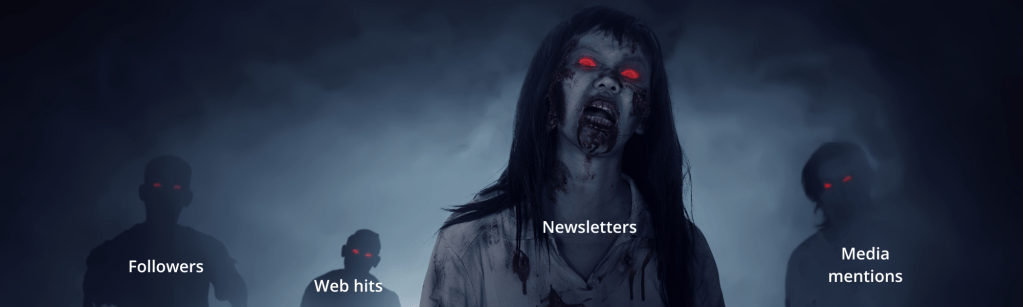
KPIs are eating your braaaaaaiiiiiiins
Have we lost the art of creating things with intention? Or hear me out *gasp* for fun?
I see so many people and organisations feeling pressure to pump out content on a daily, weekly, monthly basis – all tightly algorithmed and templated and KPI’ed to grow “audience”.
I’ve lived it – walked into jobs where the comms team has a list of KPIs to hit. Produce 5 media releases a month, make 365 social media posts a year, get 200k website hits, create 10 videos a year, etc, etc.
And when I ask “Okay, but why is that the KPI? What’s the KPI meant to achieve?” I’ve gotten a blank stare and look of confusion. Or a vague reference to a “funnel”. Or “that’s what the CEO/board/funding body asked for”.
And those organisations have been hitting or surpassing those KPIs for years – their eNews goes out diligently every month. They put out a media release every time the CEO sneezes. They’ve got a big number of web hits to crow about.
So it feels like “success” – but is anything actually being achieved?
Here’s some of the comms KPIs that might be holding you back:
Your weekly/monthly/quarterly eNews
Firstly I’ll start by saying that email is still an incredibly effective tool. Having an “owned” audience you have direct access to can be invaluable.
But unfortunately I’ve seen a lot of KPI driven eNewsletters that exist purely to tick a box.
You probably receive 20 of them each month. Each department in the organisation gets their section of the “eNews” to write for every month. The manager of that department has a calendar reminder every month to write the “[Department name] update” – they get to an hour before the deadline and use ChatGPT to make sure their section isn’t empty this month. The newsletter blows up to 15 sections to feed the ego of every department manager because being in the eNews = status.
Repeat every month. Each department writes their section of the eNews because it’s a KPI.
But has anyone asked your email audiences if that’s what they actually want? Was any of the eNews written with an audience or a goal in mind? Are you just talking for the sake of talking?
You might have great open rates, but does anyone read past the 1st or second section?
An alternative to try: Email when you have something to say.
Do shorter, more targeted emails when you have something to say and when it’s relevant to your audiences. Segment your email list and email people about things that are directly relevant to them, their needs and their interests.
Audience “reach”
Mmm that’s some good funnel This one is related to a lot of crappy KPIs – web hits, social media followers, media hits, etc. Because big number = good, right?
But say you’re a non-profit dedicated to serving a particular community group – are your web hits, social media followers and media hits actually reaching your community group?
Would 10 phone calls directly to people in your community group achieve more actual outcomes than 10,000 web hits?
Are you spending so much time responding to members of the “general public” that you’re missing your target audiences?
An alternative to try: Don’t accept “the general public” as a KPI.
Set KPIs around your audiences and set KPIs based on quality and not quantity. Do you have the trust of your audiences? Are the people most in need aware of your services? Are you getting valuable and ethical donors that will stick by your charity? Are your messages influencing decision makers?
Focus on audiences that actually achieve your goals and produce outcomes for your organisation.
Make 20 [insert output here] a year
It could be videos. It could be briefing notes. It could be reports. It could be mail-outs. It could be position papers. It could be media releases.
And because it’s embedded in your KPIs, your organisation does them every year. There’s a schedule in place and you produce those things.
Did they achieve anything? Who knows! Because you’re setting targets on the outputs and not the outcomes.
Humans change all the time – good comms adapts with them. What worked 10 years ago won’t necessarily work now.
An alternative to try: Set challenges for your comms team around outcomes, not outputs.
Challenge your comms team to increase enquiries from people underrepresented in your service. Challenge your comms team to ensure your published resources are actually being used by your target audiences.
Don’t give them the output you want – give them the outcome you want.
Tap into their skills and knowledge of how to reach audiences – don’t embed an output into their KPIs that stops them using more effective tools or strategies.
Let your comms team create, collaborate and have fun
Too many people dread working with the comms team because of their crappy KPIs and pressure to hit them.
It leads to comms teams acting as a production line and “extracting” content from colleagues – not creating, not collaborating and not thinking about the audience at all.
But if you give your comms team outcomes to achieve – you can tap into their creativity.
You can tap into their knowledge, their collaborative abilities and their curiosity. You can help make working with the comms team fun and actually enjoyable for your staff and stakeholders.
Your comms team can help educate everyone in your organisation to communicate more effectively – not just be a cog in the machine.
Most importantly – you can achieve much more with your limited resources by giving your team flexibility to achieve outcomes and stop doing things that aren’t serving you anymore.
-JB
Hi, I’m JB – I’ve been working as a broadcaster, content maker and comms advisor for nearly 20 years. Aus Comms Guide is my newsletter to share comms tips for good people and good causes. Sign up on email at auscommsguide.com
Interesting stuff!
Totally addicted to bass
My old friend and colleague Tahlia Azaria gave me a mega-earworm this week by bringing up the old “backup CD” we had at SYN Media back in the day. If you’re wondering what the “backup CD” does at a radio station – it’s what plays when the link between the studio and transmitter goes down. And when you work at a community radio station that runs on the smell of an oily rag…it can be something you hear a lot.
A fun memory to look back on: https://www.abc.net.au/listen/programs/melbourne-mornings/changing-tracks-tahlia/105600442
Essential services can’t outsource service to bots and online forms
A disappointing, but important read about the struggles First Nations communities are having accessing their superannuation. A good reminder that essential services can’t and shouldn’t cut humans out of their processes: https://www.abc.net.au/news/2025-07-23/report-superannuation-access-issues-first-nations-australians/105557598?utm_source=abc_news_app&utm_medium=content_shared&utm_campaign=abc_news_app&utm_content=other
But, nice to see some organisations are making good steps:
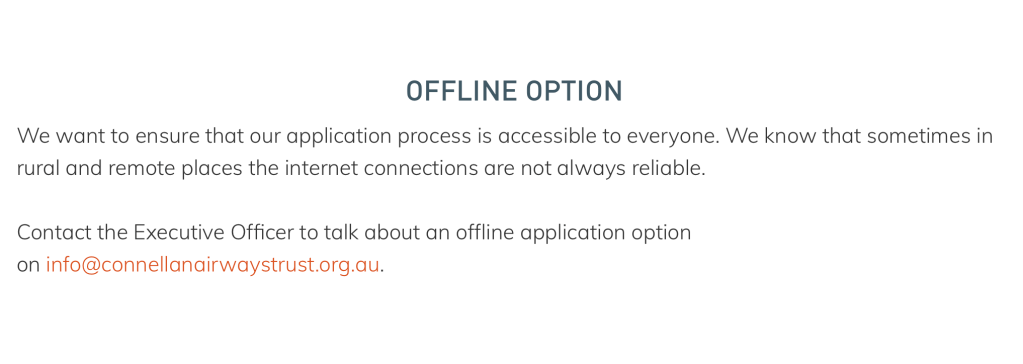
I did spot a post from another old friend Declan Kelly who has started working at the Connellan Airways Trust and it was nice to see their organisation (focused on outback communities) offer some alternative options for those who may not have access to reliable internet.
Check them out: https://www.connellanairwaystrust.org.au
Q&A
I’ve been a communications advisor in community broadcasting, community legal, financial counselling, consumer advocacy, climate science sectors and more for nearly 20 years.
I love love love mentoring early career comms professionals – so if you have any questions you’d like me to ponder for this newsletter send me an email to comms@jbau.com.au
Thanks for reading! I’m a Melbourne based comms consultant and media trainer – get in touch at jbau.com.au or comms@jbau.com.au
